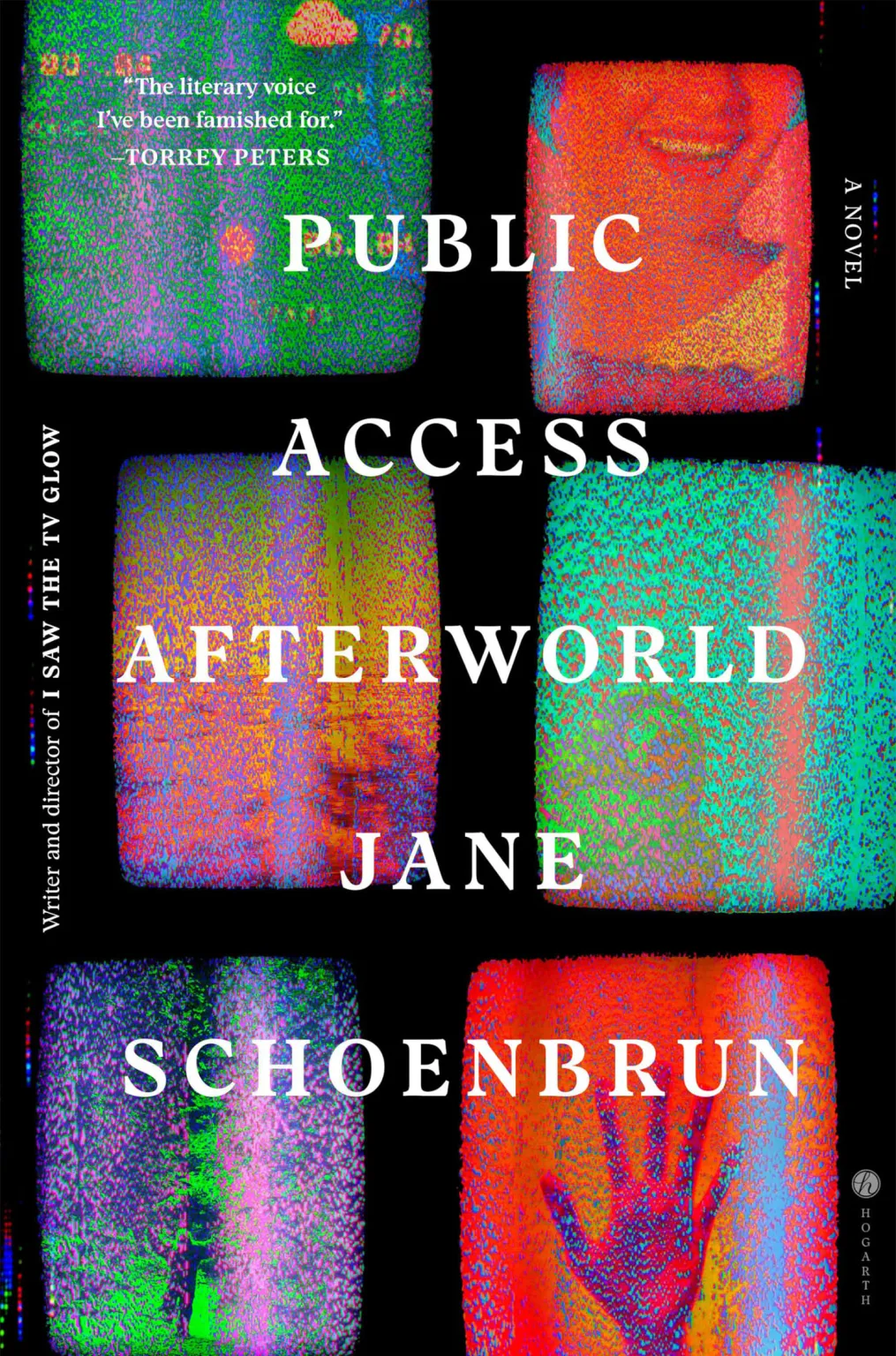
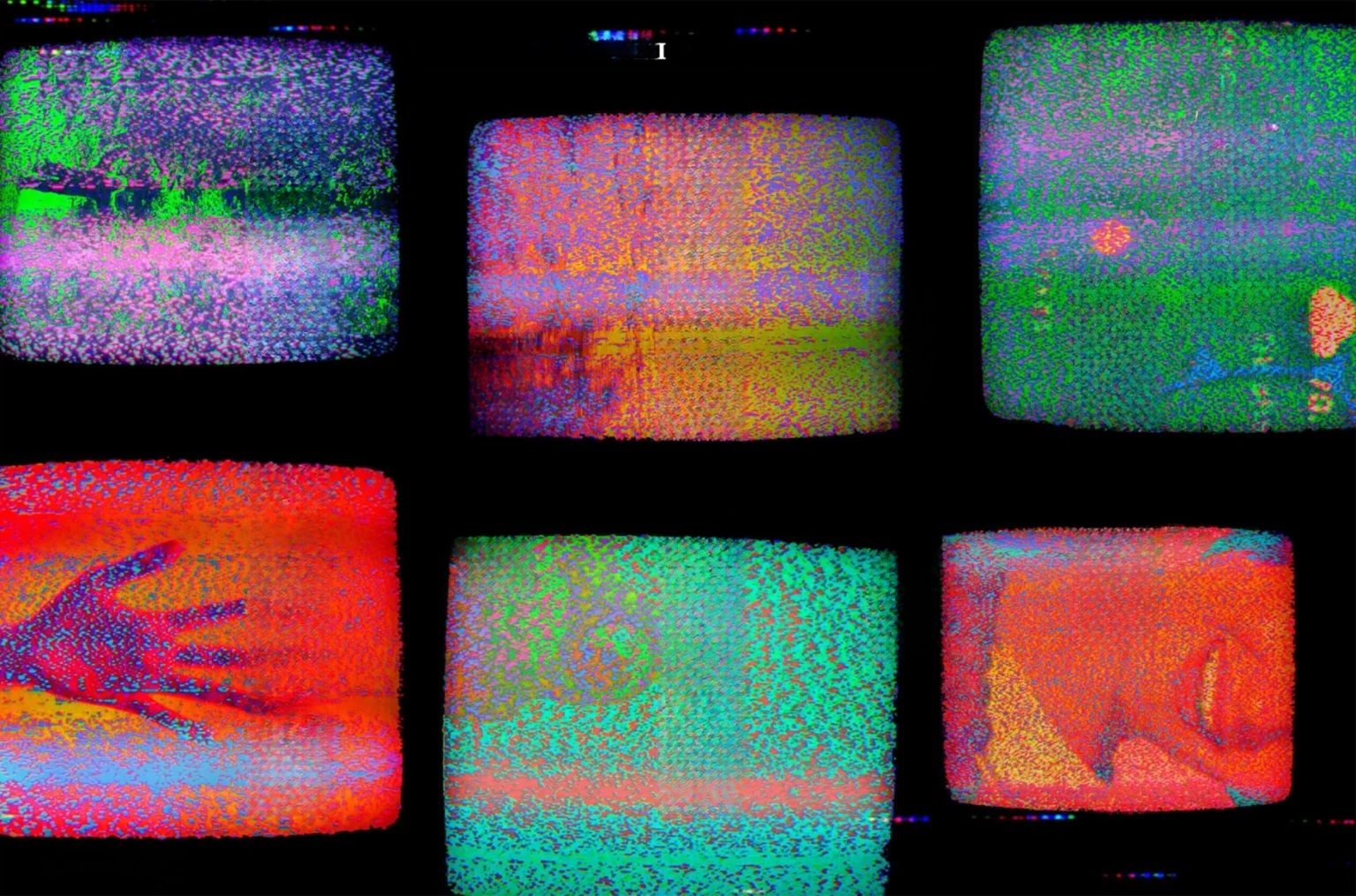
What if the static on an old television wasn’t just meaningless noise, but a doorway into another world? It’s the kind of question that feels perfectly suited to Jane Schoenbrun, the filmmaker behind I Saw the TV Glow and We’re All Going to the World’s Fair. Now, Schoenbrun brings their fascination with media, identity, and digital alienation to literature with Public Access Afterworld, an ambitious debut novel that blends psychological horror, science fiction, and conspiracy.
The story begins with a disturbing incident in 1988, when a Dallas television weatherman mentions a mysterious broadcast network shortly before taking his own life on air. Two decades later, suburban teenagers David and Erin stumble upon the same strange signal while watching television’s transition from analog to digital broadcasting. What begins as an unusual discovery becomes an obsession, eventually leading to Erin’s disappearance.
Years later, Bethany Peters, a transgender content moderator working for a massive technology corporation, encounters videos connected to the mysterious network. Her investigation pulls her into a reality where television broadcasts, personal memories, and alternate dimensions begin to overlap. Spanning decades and multiple perspectives, the 608-page novel explores the uneasy relationship between people and the media they consume. For Schoenbrun, television isn’t simply entertainment. It’s a place where people escape, construct identities, and sometimes lose themselves entirely. These ideas will feel familiar to anyone who has seen I Saw the TV Glow, the director’s acclaimed 2024 film about two teenagers whose obsession with a supernatural television series blurs the boundaries between fiction and reality. But Public Access Afterworld pushes the concept further, weaving together the early days of television, Cold War anxieties, internet culture, and contemporary corporate surveillance. The book also marks an interesting shift in Schoenbrun’s storytelling. Rather than relying on the carefully controlled images and unsettling atmosphere of their films, the director embraces the freedom of a sprawling literary narrative. Its unconventional structure moves between different characters, historical periods, and realities, creating something closer to a strange television universe than a traditional horror novel.
Beneath its supernatural premise, however, lies a distinctly contemporary concern: how technology shapes our understanding of ourselves and the world around us. Schoenbrun approaches these questions through queer identity, loneliness, and the strange intimacy people develop with fictional worlds.
Published by Hogarth on October 27, 2026, Public Access Afterworld arrives at an interesting moment, when the distinction between online and offline existence feels increasingly difficult to maintain. It’s an inventive, unsettling work that treats the screen not as an escape from reality, but as another version of it.