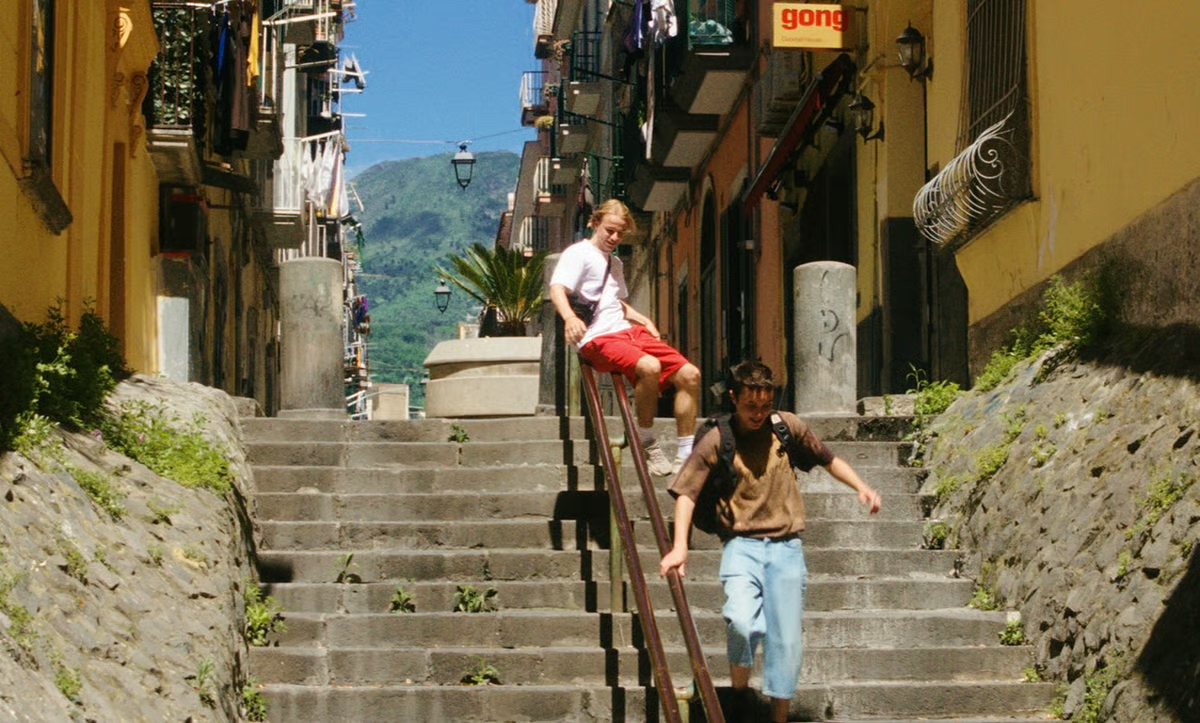
November and December are bringing a particularly interesting selection of independent films to U.S. theaters, from experimental international dramas to queer comedies and politically charged stories. These five releases offer a glimpse of what contemporary arthouse cinema is doing best: finding unexpected ways to tell stories about identity, relationships, and the world we live in.
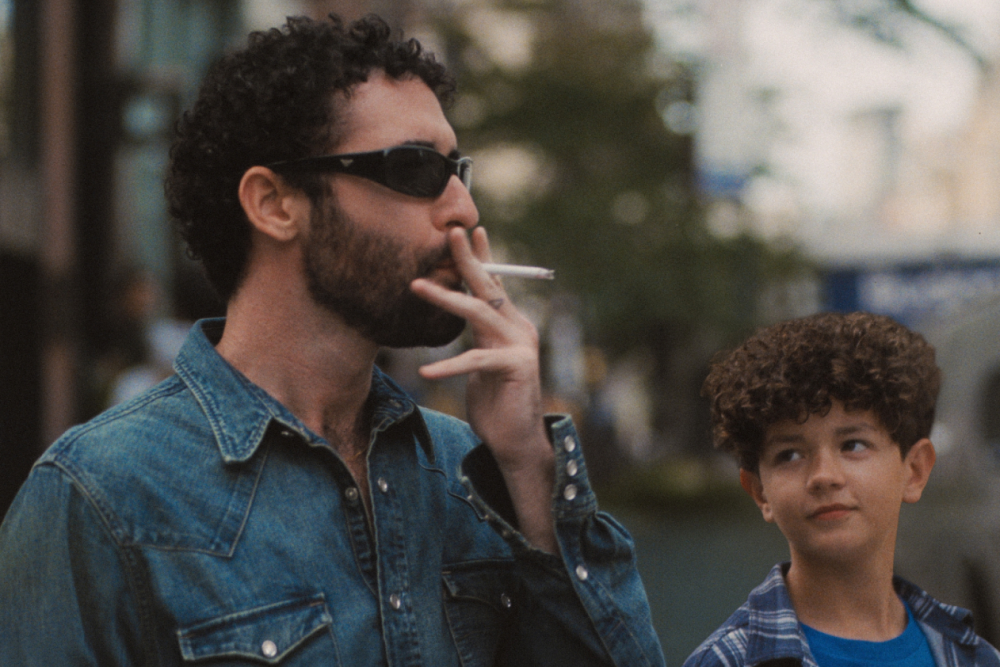
1. Club Kid — November 6
Director: Jordan Firstman | USA
New York nightlife, queer culture, and unexpected fatherhood collide in Club Kid, the feature directorial debut of actor and comedian Jordan Firstman.
Firstman plays Peter, a thirtysomething party promoter whose existence revolves around clubs, drugs, and the next big night out. His carefully maintained chaos gets interrupted when he discovers he has a 10-year-old son.
Shot on 35mm and featuring Cara Delevingne and Diego Calva, the film mixes sharp social satire with an unexpectedly tender story about growing up when everyone assumes you already have. Following its Cannes premiere, Club Kid arrives as one of the season’s more intriguing American indie releases.
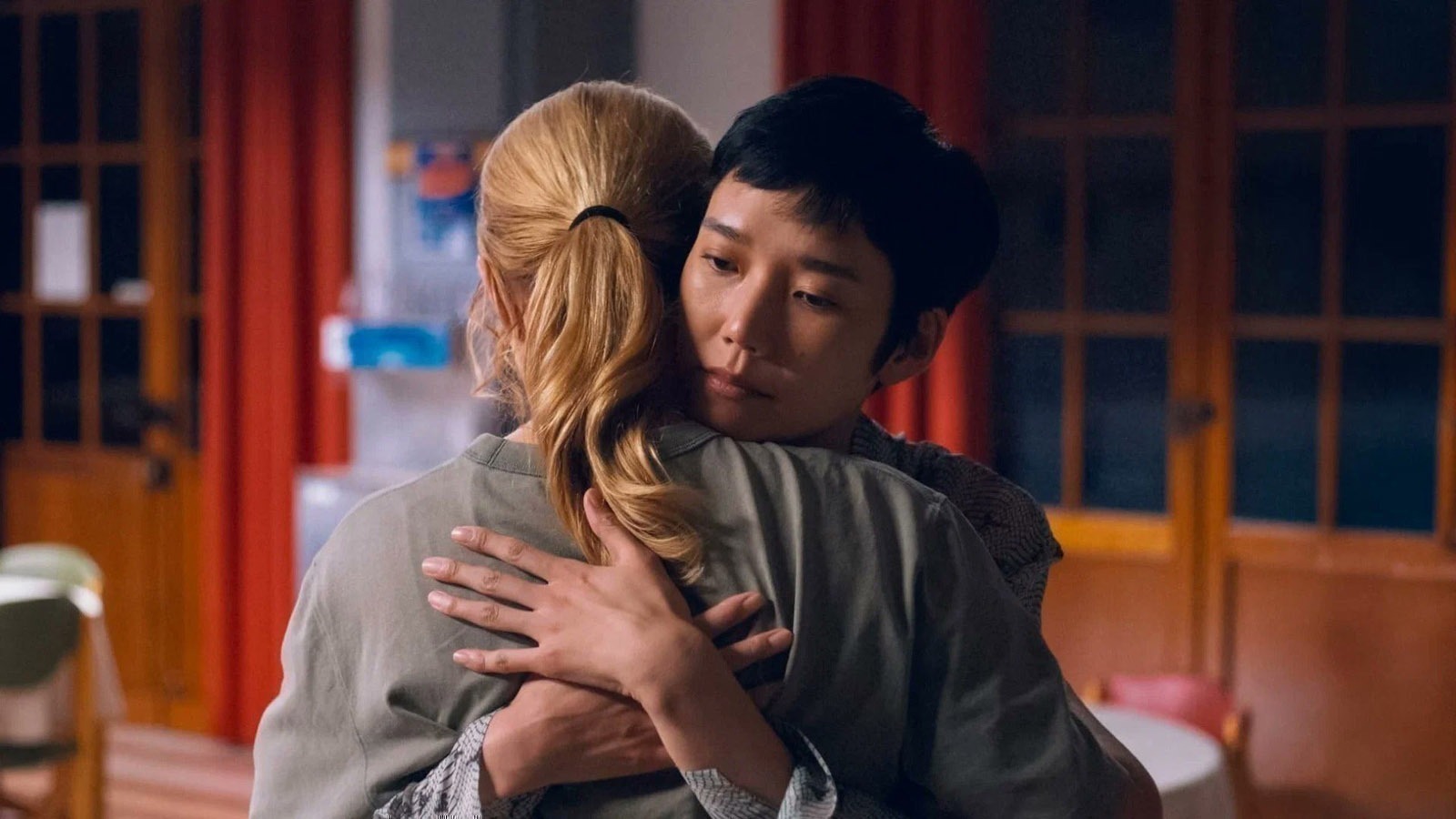
2. All of a Sudden — November 25
Director: Ryusuke Hamaguchi | Japan / France
After Drive My Car and Evil Does Not Exist, Japanese filmmaker Ryusuke Hamaguchi returns with a sprawling, three-hour drama about friendship, mortality, and the politics of care.
Set in France, the film follows Marie-Lou, the director of an elderly care facility, whose attempts to introduce a more compassionate approach to healthcare meet institutional resistance. Her encounter with Mari, a Japanese theater director living with terminal cancer, develops into an unusual and deeply personal friendship.
Starring Virginie Efira and Tao Okamoto, who shared the Best Actress award at Cannes, All of a Sudden uses Hamaguchi’s patient, conversation-driven filmmaking to explore what it means to care for another person in a society increasingly governed by efficiency and economics.
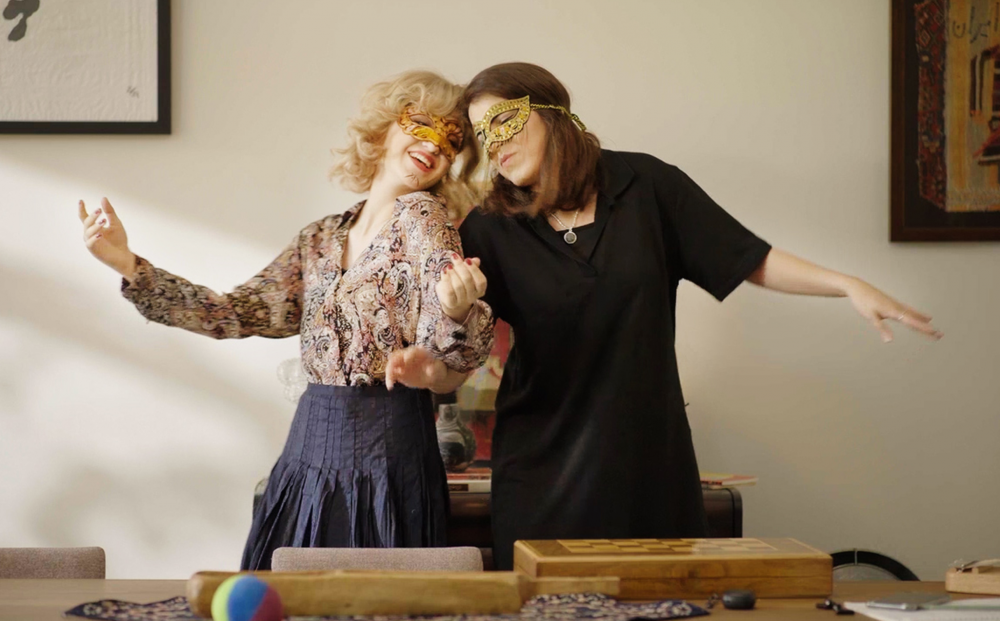
3. The Friend’s House Is Here — December 4
Directors: Maryam Ataei and Hossein Keshavarz | Iran / USA
One of the year’s most politically daring independent films comes from Tehran’s underground arts scene.
The Friend’s House Is Here follows Pari, an experimental theater director, and Hanna, a dancer considering leaving Iran. Together, they navigate a creative community where art, friendship, and personal freedom exist in constant tension with the country’s political restrictions. Filmed secretly in Iran and smuggled out on a hard drive, the film offers a rare look at a generation of young artists finding ways to live creatively despite the risks.
Winner of a Special Jury Award for Ensemble Cast at Sundance, the film avoids turning its characters into political symbols. Instead, it focuses on their friendships, ambitions, and the small freedoms they refuse to surrender.
4. Clarissa — December 11
Directors: Arie and Chuko Esiri | Nigeria / USA
Virginia Woolf’s Mrs. Dalloway gets an unexpected contemporary setting in Clarissa, an ambitious adaptation from Nigerian twin filmmakers Arie and Chuko Esiri.
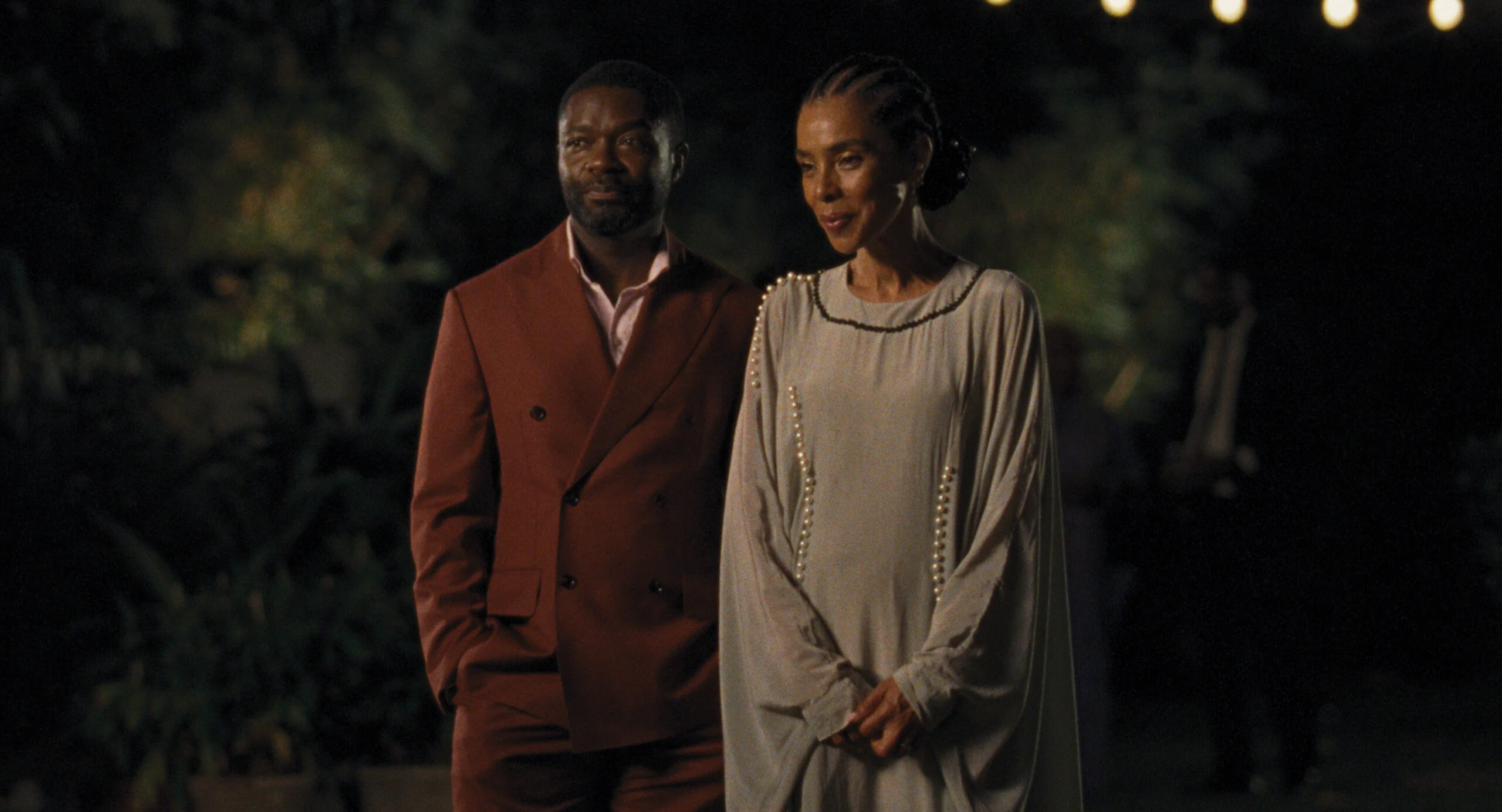
Set over a single day in Lagos, the film follows Clarissa, a wealthy woman preparing an elaborate party while revisiting memories of her youth, lost relationships, and choices that shaped her life. Running parallel is the story of Septimus, a soldier struggling with psychological trauma after fighting against Boko Haram. Starring Sophie Okonedo, David Oyelowo, and Ayo Edebiri, Clarissa brings Woolf’s exploration of memory, class, and social expectations into contemporary Nigerian society. Following its Cannes Directors’ Fortnight premiere, the film looks especially interesting for its combination of literary experimentation, contemporary politics, and richly layered storytelling.
5. La Gradiva — December 18
Director: Marine Atlan | France
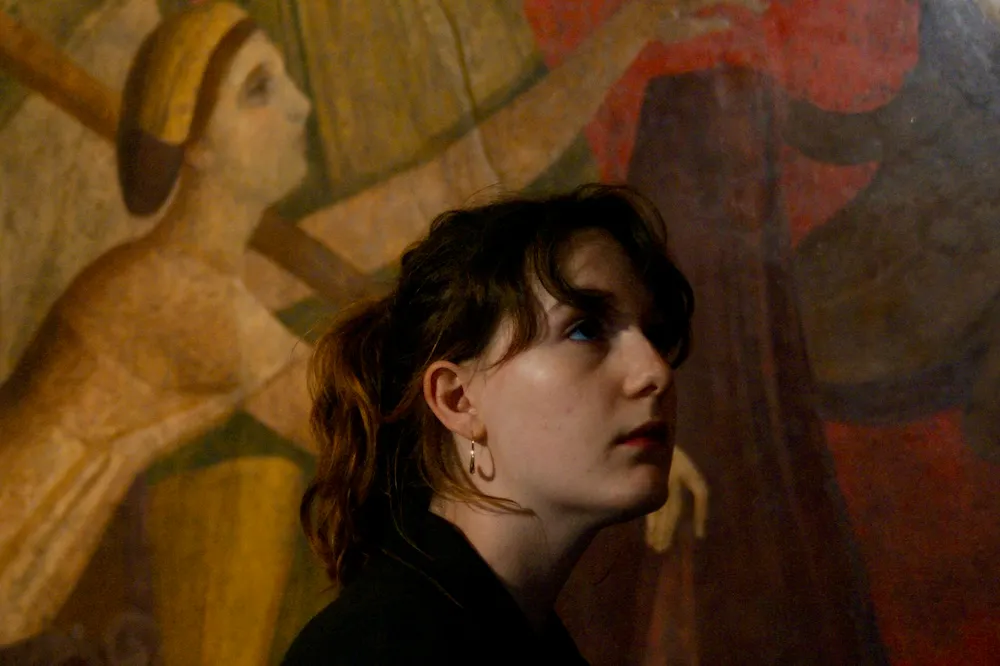
For viewers interested in cinema that moves beyond conventional storytelling, La Gradiva is among December’s more intriguing limited releases.
Scheduled for a December 18 U.S. opening, the French-language drama features Colas Quignard, Suzanne Gerin, Mitia Capellier-Audat, and Antonia Buresi.
At approximately 145 minutes, it occupies the more demanding end of the arthouse spectrum. Unlike the other films on this list, detailed English-language information about its narrative and artistic approach remains limited, making it a title worth watching as further festival coverage and distribution materials emerge.